
Fertility Acupuncture at Herb + Ōhm: Evidence-Informed Care to Support Conception, IVF/IUI Success, and a Calmer Journey
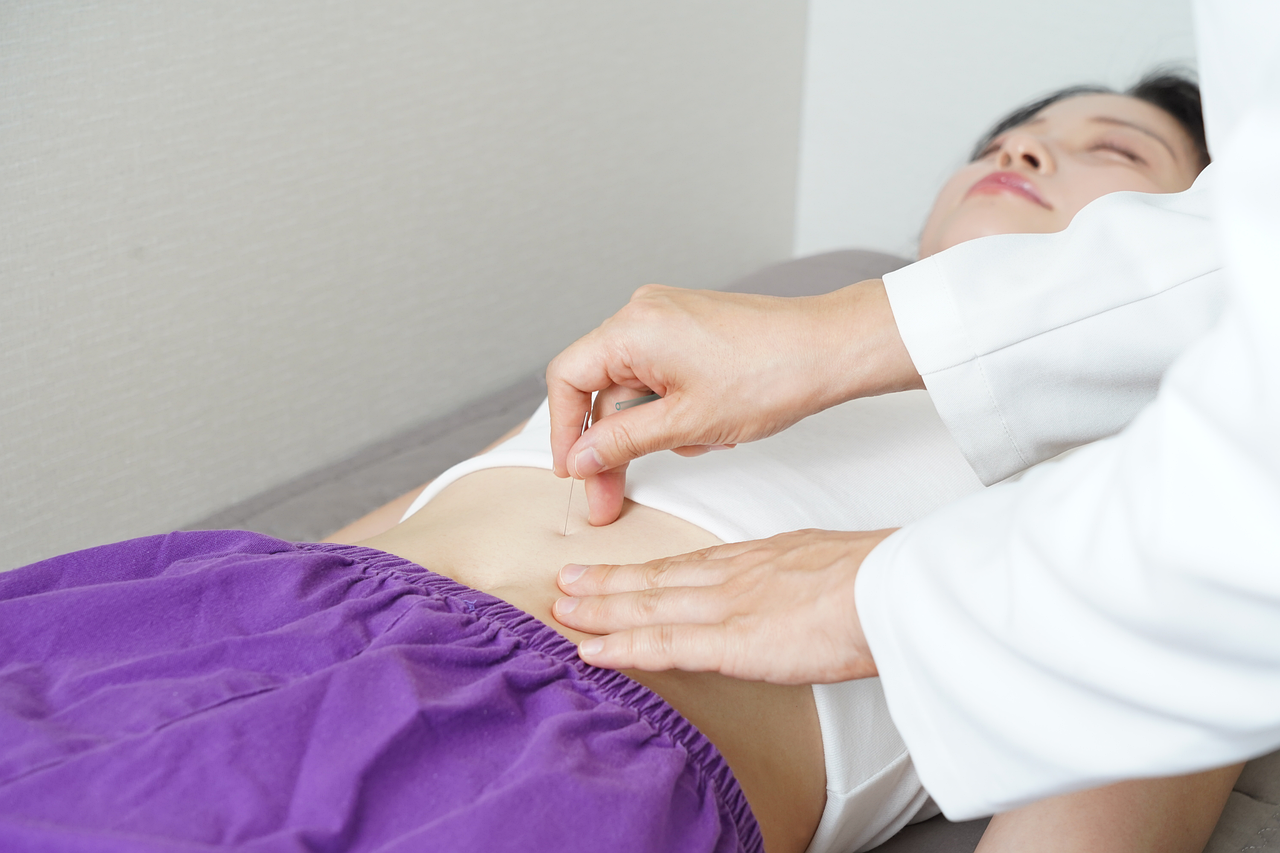
Trying to conceive can feel like living in two timelines at once—the one your clinic maps out and the one your heart is on. At Herb + Ōhm in downtown Chicago, fertility acupuncture is designed to support both. You receive gentle, evidence-informed care that complements your reproductive endocrinology plan while helping you feel steadier, sleep better, and understand your cycle with more clarity.
Below, you’ll find how acupuncture may influence egg quality and ovarian function, what current evidence says about implantation, timing recommendations for IVF and IUI, and how we approach unexplained infertility. You’ll also learn what to expect during sessions, treatment frequency, safety considerations, signs your body is responding, and how to find a qualified fertility acupuncturist in Chicago.
Where Acupuncture Fits in Fertility Care
Acupuncture is an integrative, supportive therapy. It works alongside your OB/GYN or REI—not instead of them.
Possible benefits include:
Regulating menstrual cycles
Improving pelvic blood flow
Modulating the stress response
Supporting sleep, digestion, and mood
Reducing pain and PMS-related symptoms
Evidence across outcomes is mixed, which means some studies show positive effects while others show neutral findings. We provide honest, calibrated guidance to help you decide if acupuncture is a good fit.
What to Expect at Herb + Ōhm
Your fertility acupuncture sessions take place in private, spa-like rooms with heated massage tables, adjustable infrared warmth, soft music, and optional aromatherapy. Each room includes a handheld bell so you can request assistance anytime.
Typical Visit Flow
First Visit (60–90 minutes):
Comprehensive intake
Tongue and pulse assessment
Tailored acupuncture session
Follow-Ups (45–60 minutes):
Focused check-in
Targeted acupuncture
Adjunct therapies when appropriate
Recommended Frequency
Baseline fertility support: 1 session per week
IVF/IUI support: Increased frequency during stimulation, around retrieval, on transfer day (when feasible), and during the two-week wait
Signs Treatment Is Working
More predictable cycles
Clearer ovulation patterns
Calmer mood and steadier sleep
Improved cervical fluid quality
Smoother basal body temperature shifts
Less PMS or cramping
How Acupuncture May Work: Mechanisms Explained Simply
Autonomic balance: Supports the relaxation response and may reduce stress hormone load
Blood flow: May improve uterine and ovarian perfusion
Inflammation: Possible modulation of inflammatory cytokines
Cycle regulation: May improve ovulatory function and luteal phase parameters
IVF and IUI Timing Guide
IVF Timing
Many patients begin acupuncture 1–3 months before stimulation, then increase frequency during:
Stimulation
Retrieval
Transfer day
The two-week wait
IUI Timing
Start in the cycle preceding IUI or early in the treatment cycle:
1–2 visits per week
Add a session near ovulation or insemination
Always update your practitioner about your protocol, medications, bleeding risk, and any contraindications from your fertility clinic.
Inside the Experience: Serenity Meets Clinical Focus
From the 18th-floor elevator-accessible office to peaceful, nature-inspired décor, everything is designed to help you exhale. Your practitioner is NCCAOM board certified and Illinois licensed.
Adjunct therapies may include:
Ear seeds
Moxibustion (when safe)
Low-level laser therapy
Customized herbal formulas (when appropriate and approved by your REI)
If you are seeking a premium acupuncture experience in Chicago, our website offers additional details about our approach.
Who Is a Good Candidate for Fertility Acupuncture?
Good Candidates
Preparing for IVF or IUI
Experiencing irregular cycles
Managing stress, anxiety, or poor sleep
Living with PCOS or endometriosis
Navigating unexplained infertility
Consider Pausing or Modifying Treatment If:
You have an active infection or fever
You have an uncontrolled bleeding disorder
You have severe needle phobia that can’t be accommodated
You have early pregnancy bleeding (contact your OB/REI immediately)
You are taking herbs unsupervised or during IVF stimulation
The Herb + Ōhm Fertility Rhythm
Months 1–3:
Weekly baseline sessions focusing on stress reduction, sleep, and cycle clarity.
IVF Cycle:
Increased visits during stimulation, retrieval, transfer, and the two-week wait.
IUI Cycle:
1–2 sessions weekly plus one near ovulation.
After a Positive Test:
Gentle, pregnancy-safe acupuncture protocols when appropriate.
FAQ: Evidence-Informed Answers
Does acupuncture improve egg quality or ovarian function?
Evidence: Some research suggests possible benefits related to blood flow, autonomic regulation, and stress modulation. Results are mixed.
Practical view: We focus on modifiable factors that can indirectly support egg quality: sleep, stress, nutrition, and circulation.
When should I start acupuncture if I am doing IVF or IUI?
IVF: 1–3 months before stimulation; increase frequency during stimulation, retrieval, transfer, and the two-week wait.
IUI: Start the cycle before or early in the active cycle; 1–2 visits per week.
Does acupuncture increase implantation rates?
Evidence is mixed. Some studies show modest improvements, while others show no significant difference.
We present acupuncture as a supportive, low-risk adjunct, not a guarantee.
Can acupuncture help with unexplained infertility?
It may help regulate cycles, reduce stress, and support sleep—all factors that influence fertility indirectly. We coordinate fully with your fertility team.
How long is a session?
New fertility visits: 60–90 minutes
Follow-ups: 45–60 minutes
How many times per week should you do acupuncture?
Most start with weekly visits
IVF transfer windows may require 2 sessions per week
Is acupuncture worth the cost?
Many patients find value in the stress relief, improved sleep, and structured support. Research on fertility outcomes is mixed; patient-reported benefits are consistently strong.
How much does acupuncture cost in Chicago?
Pricing varies by clinic. Herb + Ōhm offers time-of-service discounts and membership options. Call 312-757-1882 for current rates.
Is acupuncture covered by insurance?
Herb + Ōhm is currently in-network with Blue Cross Blue Shield for existing in-network patients only. Superbills are available for out-of-network reimbursement (not guaranteed).
What are signs acupuncture is working?
Deeper, more restorative sleep
Clearer cervical fluid patterns
Reduced PMS
Smoother BBT charts
Improved emotional steadiness
How do I find a qualified fertility acupuncturist?
Look for:
NCCAOM certification
Illinois licensure
Fertility-specific training
Clear communication with your REI
If you’re searching for a fertility acupuncturist in Chicago, IL, our team would be honored to support you.
When to Add Herbs or Other Integrative Therapies
Customized Chinese herbs may help with:
Energy
Digestion
Sleep
Cycle regulation
During IVF, herbal use is conservative and always coordinated with your fertility physician.
Getting Started
We are accepting new fertility acupuncture patients.
Book online or call 312-757-1882
Elevator-accessible office
Discounted parking at the 200 W. Randolph St. self-park garage
Summary
Acupuncture cannot replace medical fertility care, but it can serve as a meaningful companion during IVF, IUI, or natural cycles. At Herb + Ōhm, you receive serene, private sessions, evidence-informed protocols, and clear milestones to track progress.
If you want calm, clarity, and coordinated support while trying to conceive, we are here for you.
Disclaimer
Individual results vary. Acupuncture may support—but does not replace—medical fertility treatment. Always coordinate care with your OB/GYN or REI and disclose all medications and protocols.